



If you’ve ever scrolled through social media or read a blog and clicked on a link that led you to buy something, you’ve likely interacted with affiliate marketing—whether you realized it or not. It’s a quietly powerful force in the digital world, and in 2025, it’s only getting more sophisticated.
So, what exactly is affiliate marketing? And how does it work today, in a world filled with AI, influencers, and constantly shifting online trends? Let’s break it down in plain English.
What Is Affiliate Marketing?
Affiliate marketing is a way for people or businesses (called affiliates) to earn money by promoting someone else’s products or services. When someone buys a product using the affiliate’s special link, the affiliate earns a commission.
Think of it as modern word-of-mouth marketing—only instead of chatting with a friend over coffee, you’re sharing a link online.
A Simple Example
Let’s say Sarah runs a YouTube channel about fitness. She partners with a supplement company and includes a special link to their protein powder in her video description. If one of her viewers clicks the link and makes a purchase, Sarah gets paid a small percentage of that sale. That’s affiliate marketing in action.
The Key Players
Affiliate marketing might sound simple, but behind the scenes, there are several moving parts. Here are the main players involved:
- The Merchant (or Advertiser): This is the company that sells the product or service—like Nike, Amazon, or a small online business.
- The Affiliate (or Publisher): This can be a blogger, influencer, YouTuber, or anyone who shares the product and drives traffic to it.
- The Consumer: That’s the person who clicks the affiliate link and (hopefully) makes a purchase.
- The Affiliate Network or Platform: Many programs are managed through platforms like ShareASale, Commission Junction, or Amazon Associates. These platforms track sales, manage links, and handle payments.
How Does It Work in 2025?
Affiliate marketing hasn’t stayed stuck in the past. In 2025, the game has evolved. Thanks to smarter technology, better tools, and changes in consumer behavior, here’s how affiliate marketing works today:
1. Smarter Tracking
Forget basic links and clunky dashboards. Today, affiliate tracking uses AI-powered analytics, cookies, and even fingerprint tracking to identify users—while still complying with privacy laws like GDPR and CCPA. This means affiliates can get more accurate credit for their referrals.
Some platforms even offer “multi-touch attribution,” which means if a buyer clicks multiple links before making a purchase, the system can share the commission across affiliates based on influence.
2. AI-Powered Recommendations
Many affiliate marketers now rely on AI tools to recommend products that match their audience’s interests. Whether you run a website, a TikTok account, or a newsletter, machine learning can analyze your followers’ behavior and suggest affiliate products that are most likely to convert.
3. Voice and Video Integration
With the rise of voice search and short-form video content, affiliates are embedding links in new ways. QR codes, podcast shout-outs with voice-activated responses, and link-in-bio platforms are making affiliate marketing more dynamic than ever.
4. Social Commerce
In 2025, platforms like Instagram, TikTok, and Pinterest have fully embraced e-commerce. That means you can now buy directly from a video or post—often without even leaving the app. Affiliates can earn commissions instantly through these “native shops.”
5. Micro-Influencers & Niche Audiences
You don’t need a million followers to be a successful affiliate. Brands are now focusing on micro-influencers—people with smaller, highly engaged audiences. Why? Because their followers trust them. In a world filled with noise, authenticity wins.
Why People Love Affiliate Marketing
So why do so many creators, bloggers, and entrepreneurs jump into affiliate marketing? Here are a few big reasons:
- Low Barrier to Entry: You don’t need to create your own product or handle shipping, returns, or customer service.
- Passive Income Potential: Once your content is out there, it can keep generating commissions for months—or even years.
- Flexibility: You can work from anywhere, promote products you genuinely like, and build a business around your interests.
- Scalability: With the right strategy, you can turn a side hustle into a full-time income stream.
Common Affiliate Marketing Channels
Affiliates can promote products through all kinds of platforms. Here are some of the most popular ones in 2025:
- YouTube videos (product reviews, tutorials)
- Instagram Reels and Stories
- TikTok product demos
- Blogs and review sites
- Email newsletters
- Podcasts with sponsor links
- Pinterest idea pins
- Online courses and webinars
How to Get Started in 2025
Thinking about diving into affiliate marketing yourself? Here’s a simple roadmap to get started:
1. Pick a Niche
Start with something you’re passionate about—fitness, tech gadgets, home decor, parenting, finance, you name it. A focused niche helps you attract a loyal audience.
2. Create Content
Whether it’s videos, blog posts, or social media updates, your content should provide value. Don’t just push products—help people solve problems or make informed choices.
3. Join Affiliate Programs
Some popular programs include:
- Clickbank
- Amazon Associates
- ShareASale
- CJ Affiliate
- Rakuten
- Impact
Individual brand programs (many companies have their own)
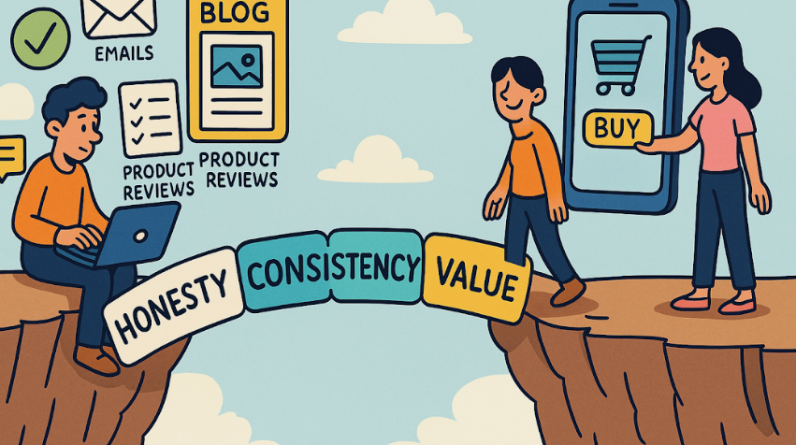
4. Promote with Integrity
Only recommend products you truly believe in. Trust matters. If your audience feels like you’re just in it for the money, they’ll tune out.
5. Analyze and Optimize
Use analytics tools to see what’s working. Are people clicking your links? Are they buying? Which platforms perform best? Adjust your strategy based on data.
Challenges to Watch Out For
Affiliate marketing isn’t all sunshine and passive income. Here are a few challenges to keep in mind:
- Fierce competition: Many niches are saturated, so you’ll need a unique angle.
- Changing algorithms: Platforms like Google, YouTube, and Instagram constantly update how they display content.
- Commission changes: Some companies lower their payout rates without warning (Amazon’s done this more than once).
- Disclosure laws: You’re legally required to disclose affiliate relationships (e.g., using hashtags like #ad or #affiliate).
The Future of Affiliate Marketing
Looking ahead, affiliate marketing is expected to become even more integrated into our digital lives. We’ll likely see:
- Increased use of AI and automation
- Deeper personalization of content and recommendations
- Greater emphasis on ethical marketing and transparency
- More direct collaborations between brands and creators
Affiliate marketing in 2025 is smarter, more personal, and more integrated than ever before. Whether you’re a content creator looking for an income stream or a business hoping to expand your reach, it offers a powerful way to connect people with products they genuinely care about.
Just remember: the most successful affiliate marketers aren’t pushy salespeople… they’re trusted guides. If you focus on helping your audience first, the commissions will follow.