


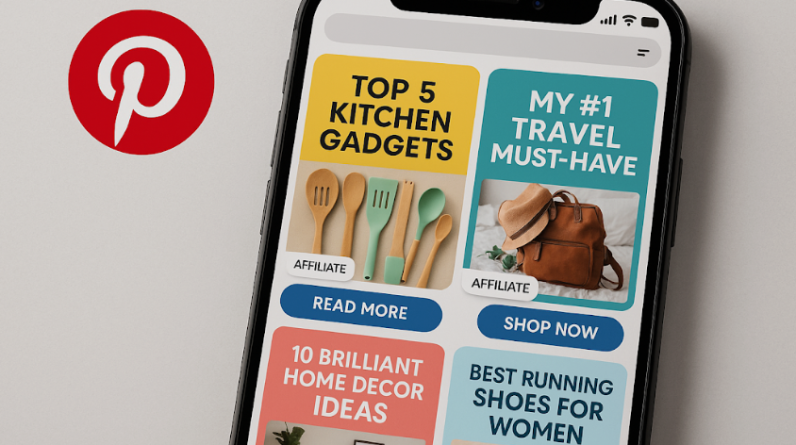
Pinterest isn’t just for mood boards and recipe hoarders. If you’re in the affiliate game and you’re sleeping on Pinterest, you’re missing out on one of the best free traffic sources around.
It’s not your typical social platform—it acts more like a search engine. And with nearly half a billion users hunting for inspiration and stuff to buy? That’s your green light.
Why Pinterest Is a Goldmine for Affiliates
Here’s the kicker: pins don’t die after a few hours like Instagram posts or tweets. On Pinterest, content sticks around. A single well-made pin can keep pulling clicks for months—even years.
People come to Pinterest ready to do something. They’re not just scrolling to kill time—they’re planning their lives. That mindset shift makes them way more open to affiliate content.
Case in point: Becca, a UK-based affiliate marketer. No fancy team, no viral fame. Just a smart Pinterest strategy and a business account. She now rakes in over £8,000 a month. Her secret? SEO-optimized pins linked directly to affiliate offers. That’s it. No rocket science.
Step One: Set Up a Pinterest Business Account
Before you start dropping links everywhere, get your business account in place. It gives you access to all the good stuff—analytics, rich pins, ad tools. Here’s what you need to do:
- Create a business account: Head to Pinterest Business and sign up. No frills needed.
- Tidy up your profile:
- Profile pic: Keep it clean and professional.
- Bio: Use keywords that clearly state your niche. Make it easy for people (and Pinterest) to know what you’re about.
- Profile pic: Keep it clean and professional.
- Verify your website: This unlocks analytics and lets you enable rich pins.
- Turn on rich pins: These pull extra info straight into your pins—like product details or article headlines. More info = more clicks.
Design Pins That Actually Get Clicked
Pinterest is a visual platform. If your pins don’t stand out, they’re toast. You need scroll-stoppers—simple as that.
Stick to these basics:
- Vertical format: Use a 2:3 ratio (1000×1500 px). That’s what Pinterest favors.
- High-quality visuals: Grainy or off-topic images? Nope. Use crisp, relevant ones.
- Clear text overlay: Think headlines, not novels. Get your point across fast.
- Consistent branding: Use the same colors, fonts, and vibe so your pins become instantly recognizable.
Strategic pin content matters too:
- SEO matters: Drop keywords in your pin title and description. It helps people actually find your pins.
- Add a CTA: Phrases like “Read More” or “Shop Now” can nudge users to click through.
- Link smart: Send traffic to blog posts, product roundups, or pages that give real value.
Use Pinterest Analytics to Double Down on What Works
Don’t just post and pray. Pinterest gives you the data—you just have to use it.
Metrics to watch:
- Impressions: How often your pins show up.
- Saves: How many people liked your pin enough to save it.
- Clicks: This is the big one. Who’s clicking through to your content?
- Top performers: Find your winning pins and reverse-engineer them. Same style, same vibe, repeat.
This isn’t busywork. The numbers show you what your audience actually cares about—and help you do more of that.
Stay Consistent with Scheduling Tools
Pinterest rewards consistency. But that doesn’t mean you need to be glued to your screen every day.
Here are a few tools that do the heavy lifting:
- Tailwind: Built for Pinterest. Lets you schedule, track performance, and tap into Tailwind Communities.
- Buffer: Great for simple pin scheduling and performance tracking.
- Hootsuite: If you’re managing multiple platforms, this one keeps it all under one roof.
Batch your content, schedule it out, and move on to the next money-making task.
Final Word
Pinterest isn’t some hidden hack—it’s a legit channel that affiliate marketers ignore way too often. With smart strategy, eye-catching pins, and a steady content flow, you can turn Pinterest into a free traffic engine. And you don’t need to be a designer or social media guru to pull it off.
FAQs
Can I use affiliate links directly on Pinterest?
Yep, Pinterest allows direct affiliate links. Just be upfront—disclose the relationship and stay within their rules.
Do I need a website to make this work?
Technically no. But a site helps build trust and gives you a home base for your content. Long game? You’ll want one.
How often should I be pinning?
Daily is ideal. Whether you’re pinning manually or scheduling, keep it consistent to stay visible.
Which niches work best on Pinterest?
Stuff like home decor, fashion, food, wellness, and DIY do great. But don’t count your niche out—if people search for it, there’s potential.
How long before I see results?
Pinterest plays the long game. Most folks see traction within 30–90 days. The upside? Good pins don’t disappear—they keep working long after you hit publish.