



The Affiliate Marketing Scene Is Shifting
Affiliate marketing is far from the passive side hustle it used to be. In 2025, it’s getting smarter, faster, and more performance-driven than ever. Marketers are dealing with constant updates in tech, changes in consumer behavior, and the rise of more intelligent tools. If you’re still relying on 2022 strategies, you’re likely already behind.
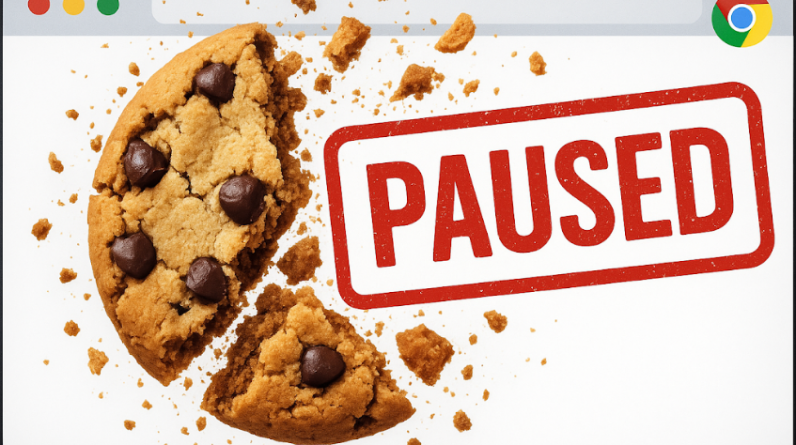
This year, affiliate marketers are facing new rules of engagement. The push for privacy, the dominance of short-form video, and a massive tilt toward creator-led promotions are forcing marketers to rethink everything. Even long-standing tactics like cookie-based tracking are losing relevance as brands lean into first-party data and consent-based strategies.
There’s a noticeable shift toward smarter, leaner operations. Whether it’s automating time-consuming tasks or using AI to predict customer behavior, efficiency is the name of the game. The trick isn’t just keeping up—it’s staying one step ahead.
Shift Toward Creator-Led Partnerships
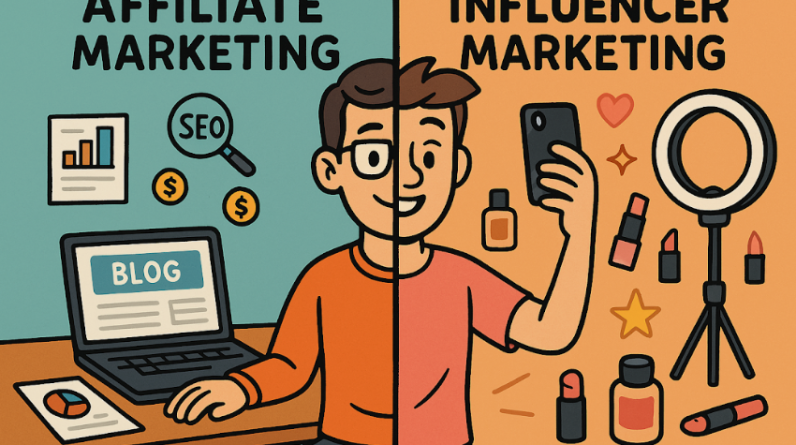
Brands are betting big on creators. These aren’t your traditional influencers with millions of followers, but content creators who bring authenticity and real engagement. In 2025, partnerships that focus on community-driven content are driving better conversions than flashy celebrity endorsements.
Creators today have more control, and brands are leaning into long-term partnerships rather than one-off promotions. It’s about building trust, not just pushing a product. This model rewards creators who focus on storytelling, audience interaction, and product education over hard selling.
This trend also benefits affiliates. Being a creator-affiliate hybrid allows you to tap into multiple streams of income—from affiliate commissions to brand deals and even paid content subscriptions. If you haven’t already built a personal brand around your niche, now’s the time.
The Rise of AI and Automation Tools
AI isn’t just a buzzword anymore—it’s part of the core strategy for top affiliate marketers in 2025. Whether you’re using AI to generate content ideas, automate your emails, or analyze audience behavior, it’s reshaping how efficiently you can work.
Content tools like ChatGPT, Jasper, and SurferSEO are helping creators churn out optimized blog posts in record time. AI-based analytics platforms are helping affiliates pinpoint the best-performing content without sifting through endless data manually.
The best part? You don’t need to be a tech wizard to take advantage of these tools. Most come with user-friendly dashboards and plug-and-play integrations. If you’re not automating at least part of your workflow this year, you’re leaving money—and time—on the table.
Privacy-First Tracking Solutions Are Taking Over
2025 is shaping up to be the year where marketers must rethink how they track performance. Third-party cookies? Practically gone. With global regulations tightening and browser-level changes like Safari and Chrome phasing out traditional tracking methods, affiliate marketers are being pushed toward privacy-first solutions.
This doesn’t mean performance tracking is dead—it just means we need smarter ways to do it. Server-side tracking, cookieless tracking platforms, and tools like Google’s Enhanced Conversions or Facebook’s CAPI (Conversions API) are becoming the new norm. These tools help ensure that data is still accurate and actionable without invading users’ privacy.
The shift has led many affiliates to prioritize first-party data. Collecting emails, building communities, and investing in user consent strategies aren’t just good ideas—they’re essential for survival. Relying solely on affiliate links embedded with cookies is a gamble. Brands and marketers that embrace transparency and user-centric approaches are seeing better trust and engagement, which leads to stronger conversions in the long run.
Micro-Influencers and Niche Audiences Are in Demand
Big followings don’t guarantee results anymore. Brands are seeing that smaller, tightly-focused audiences often bring higher ROI. Micro-influencers—those with anywhere from 1,000 to 50,000 followers—are now driving better engagement because their audiences are more connected and trust their recommendations.
As a result, affiliate programs are opening up more to niche creators. If you’re passionate about a specific hobby, lifestyle, or product category, 2025 is your time to shine. From pet grooming to eco-friendly home goods, there’s room for everyone willing to create consistent, targeted content.
This change is encouraging authenticity over polish. Creators who are relatable, honest, and community-focused are thriving. So instead of chasing followers, focus on creating content that connects. Whether it’s a how-to video, a product unboxing, or a detailed review, the more specific and authentic you are, the better your results will be.
Voice Search and Smart Devices Changing the Game
As smart speakers and voice assistants become more integrated into daily life, voice search is changing how people discover products. In 2025, optimizing for voice isn’t optional anymore—it’s part of every successful affiliate marketing plan.
People are using phrases like “What’s the best budget air purifier?” or “Where can I buy organic dog food near me?”—and they’re asking those questions aloud. This means affiliates have to think differently about keyword strategy. Conversational, question-based keywords are now just as important as high-volume, traditional ones.
Also, don’t overlook optimization for smart TVs and home devices. Whether through voice-activated shopping, app integrations, or affiliate links shared via QR codes during live streams, new buying paths are emerging. To stay ahead, marketers should explore ways to integrate their content into these new touchpoints. It’s not just about ranking on Google anymore—it’s about being everywhere your audience is asking questions.
Video Content Is Dominating Affiliate Channels
If you’re not creating video content in 2025, you’re missing out—big time. Platforms like TikTok, YouTube Shorts, and Instagram Reels have become powerhouses for affiliate links. Videos that show real people using real products tend to outperform polished ads because they feel more genuine.
Unboxings, comparisons, tutorials, and product reviews are leading the charge. Even better? Short-form videos are now shoppable. Tools like Instagram’s affiliate tagging and TikTok’s shop feature make it easier than ever to earn commissions directly from content.
What’s making this trend so strong is its mobile-first approach. Most users watch on the go, and if a product solves a problem or makes life easier, they’re ready to buy in seconds. Keep your content snappy, show results fast, and always include a clear call-to-action or link to buy.
Subscription-Based Affiliate Programs Are Growing
One-off commissions are great, but recurring commissions? Even better. That’s why subscription-based affiliate programs are taking off in 2025. Whether it’s software, meal kits, streaming services, or fitness apps, affiliates are seeing the benefit of promoting products that bring in money month after month.
This shift isn’t just about maximizing income. Subscription models also reflect the way consumers now shop. People prefer convenience and consistency—think auto-ship vitamins or monthly pet food deliveries. If you’re promoting products that people use regularly, you’re setting yourself up for long-term rewards.
For affiliates, it means choosing partnerships more strategically. It’s smarter to promote a $30/month tool that pays you 30% recurring than a one-time $100 commission that ends after the first sale. Look for programs with strong retention rates, good customer support, and quality offerings that people stick with over time.
To boost conversions with subscription products, focus on education and transparency. Break down the features, costs, and benefits clearly. Use testimonials or your own experience to build credibility. The more value you showcase upfront, the more likely your audience is to commit.
Real-Time Analytics and Performance Dashboards
Waiting days or weeks for performance reports is a thing of the past. In 2025, real-time analytics are helping affiliates adapt on the fly. Dashboards are cleaner, smarter, and packed with insights you can act on immediately.
Whether it’s monitoring click-through rates, A/B testing landing pages, or analyzing which affiliate links are converting best, real-time data empowers smarter decision-making. Platforms like PartnerStack, Impact, and even Google Analytics have improved their dashboards to offer instant access to what matters most.
The advantage here isn’t just about seeing numbers—it’s about knowing what to do next. If a link underperforms, you can swap it out fast. If a certain type of content is outperforming others, you can double down immediately. Affiliates who embrace these tools are becoming more agile and efficient, allowing them to test faster and optimize smarter.
It’s also becoming easier to track across channels. Want to know whether Instagram traffic or your email list is driving more sales? No problem. Cross-platform integration is finally catching up, giving you a full view of your affiliate marketing engine in one place.
The Shift to First-Party Data Strategies
Affiliate marketing used to rely heavily on platforms and third-party data, but those days are fading. In 2025, first-party data—info you collect directly from your audience—is gold.
Building an email list is more valuable than ever. Social media followers are great, but if you’re not collecting contact info, you’re at the mercy of algorithm changes. Smart affiliates are using lead magnets, quizzes, and free tools to gather emails and get insights into what their audience really wants.
With this data, you can create more targeted offers, recommend better products, and personalize your messaging. It’s also a safer way to market, as it puts you in control rather than relying on unpredictable platforms or cookie-based tracking.
Many affiliates are pairing their email strategies with CRM tools and segmentation platforms that tailor content based on user behavior. The more specific your content is to someone’s needs, the more likely they are to click and convert. That’s the power of first-party data in action.
Tips to Stay Ahead of the Curve in 2025
Want to stay competitive? It starts with adaptability. Here are a few things to keep in mind if you want to grow your affiliate marketing business this year:
- Invest in learning. Platforms, tools, and consumer behaviors are evolving. Keep sharpening your skills through online courses, webinars, and marketing communities.
- Try new formats. Don’t just stick to blogs or Instagram. Test out YouTube, newsletters, TikTok, or even affiliate podcasts. The more places you show up, the wider your reach.
- Automate smartly. Use tools to handle repetitive tasks but stay involved in content and engagement. A human touch still makes a difference.
- Build your brand. Don’t be just another anonymous affiliate. Showcase your face, your voice, and your story to build trust.
- Track and tweak often. Use analytics tools not just to monitor, but to experiment. Small changes can lead to big results.
Staying ahead isn’t about chasing every trend—it’s about picking the right ones for your niche, staying consistent, and always being open to new approaches.
Staying Competitive Without Burning Out
The affiliate marketing space in 2025 is more dynamic than ever. There’s more opportunity, but also more noise. Success today doesn’t just depend on hustle—it depends on working smarter, staying relevant, and building genuine relationships with your audience.
If you can stay curious, open to change, and committed to quality over quantity, you’ll find your edge. Whether you’re just getting started or looking to scale, now is the time to rethink your strategy and lean into what works today—not what worked two years ago.
FAQs
1. What’s the best affiliate marketing strategy in 2025?
The best strategy focuses on combining content authenticity, smart data tracking, and automation tools. Lean into creator-led content and optimize using real-time insights.
2. Are affiliate links still effective without cookies?
Yes. Many platforms now offer cookie-less tracking or rely on first-party data. Using email lists and server-side tracking helps maintain accurate attribution.
3. How can small affiliates compete with big influencers?
Focus on a specific niche and build a loyal community. Micro-influencers often see better engagement because they come across as more trustworthy and relatable.
4. What platforms are best for affiliate marketing right now?
YouTube Shorts, TikTok, Instagram Reels, email newsletters, and niche blogs are all performing well. The key is matching the platform to your audience and content style.
5. How do I find high-converting affiliate programs?
Look for programs that offer recurring commissions, strong product demand, and good support. Reading reviews and joining affiliate communities can also help you