


Back in late 2023, a popular productivity tool quietly pulled out of a major affiliate network. No announcement, no blog post. Instead, they started emailing handpicked creators with a private invite to join their new partner program—better rates, faster support, the works.
That move wasn’t just a one-off. It was a sign of where affiliate marketing’s heading. More brands are ditching the big public networks and building their own private programs—and if you’re still trawling ShareASale or Impact for offers, this shift is something you’ll want to keep on your radar.
So, what’s behind the change? And more importantly—how do you make sure you don’t miss out?
Let’s break it down.
What’s a Private Affiliate Program, Anyway?
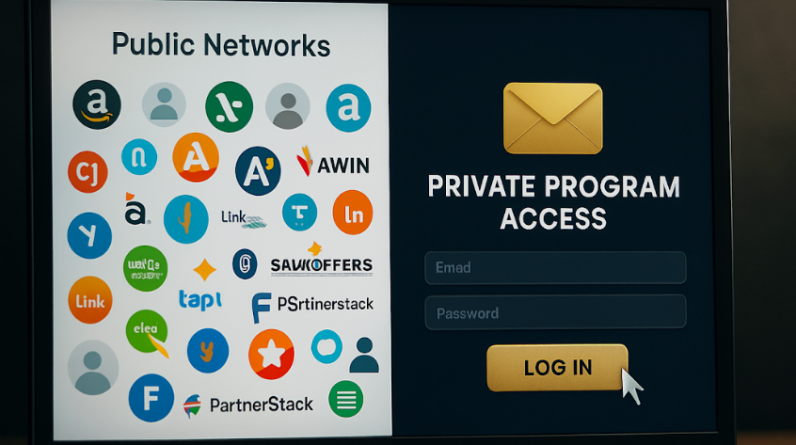
These aren’t the kind of programs you’ll stumble across on a network marketplace. Private affiliate programs are more like secret handshakes—you usually get in by invite, email, or a well-placed DM.
They include stuff like:
- Direct invites from brands (especially SaaS and niche ecommerce)
- Programs run through tools like GoAffPro, Post Affiliate Pro, Tapfiliate or PartnerStack
- Partnerships set up one-on-one through email or socials
Not always flashy, but often more rewarding—if you’re willing to do a bit of digging.
Why Brands Are Pulling Out of Public Networks
Sure, public networks are convenient. But for brands, they come with baggage:
- Fees on fees: Networks take a slice of every sale, plus setup and monthly charges
- Limited control: Harder to change terms or talk directly to affiliates
- More fraud risk: Anyone can sign up, and not everyone plays fair
- Low loyalty: Affiliates jump ship the second another brand pays more
Private programs solve a lot of that. Brands get to:
- Handpick who they work with
- Offer better terms to partners they trust
- Build long-term partnerships, not just drive-by clicks
- Keep tighter control over branding and promotions
Less noise, more signal. And if you’re a quality content creator, that plays right into your hands.
Why You Should Care (A Lot) as an Affiliate
Private programs aren’t just better for brands—they can be a sweet upgrade for you too.
Here’s what’s in it for you:
- Higher commissions: Fewer middlemen = more money in your pocket
- Direct contact: Get answers fast, request assets, even pitch ideas
- Custom perks: Think exclusive codes, landing pages, early access
- Less competition: Fewer people in the program means more space to shine
If you’ve built an engaged niche audience or run a site that gets solid traffic, you’ve got leverage. And brands in private programs tend to respect that a lot more.
How to Sniff Out Private Programs Before Everyone Else Does
Just because it’s “private” doesn’t mean it’s hidden forever. Here’s how to find the good stuff:
- Visit brand sites directly: Check footers for “Partners” or “Affiliates.” No listing? Reach out.
- Get on newsletters: Brands often invite loyal followers first.
- Engage on socials: Comment, share, tag—then slide into the DMs. It works.
- Join niche communities: Reddit, Slack groups, forums—word travels fast in the right circles.
- Spy on your competitors: Tools like Similarweb or Ahrefs can show who’s linking where. If they’re promoting something you can’t find? Odds are it’s private.
And when you do spot an opportunity, reach out like a human—not a spam bot:
“Hey, I’ve been featuring your product in my content and would love to talk about a potential partnership. Do you run an affiliate program?”
That one line opens more doors than you’d think.
Watch Your Back—Not All Private Programs Are Worth It
Going private has perks, but not every offer is a slam dunk. Keep an eye out for:
- Dodgy tracking: Some smaller brands still run things on spreadsheets (yikes)
- Late payouts: No network = no backup if payments go sideways
- Ghosted support: If they go quiet, you’re stuck
Before you dive in, ask:
- How’s tracking handled?
- What’s the payout schedule?
- Do I get a dashboard or reporting tools?
- Can I test the product or get a review copy?
If it’s too vague or too complicated, trust your gut and move on.
Are Private Programs the Future? Maybe Not the Whole Future—but a Big Part of It
Affiliate marketing’s evolving. Big brands want control. Affiliates want better deals. And private programs sit right in the middle of that shift.
Thanks to tech, it’s easier than ever for brands to run tight, efficient programs in-house. And they’re using that power to reward affiliates who:
- Actually care about what they promote
- Build real relationships with their audience
- Don’t just chase the highest-paying offer of the week
If that sounds like your approach, then private programs might be your next best move.
FAQs
How do I know if a private affiliate program is legit?
Check their rep. Look for tools like PartnerStack or Refersion. If they’re serious, they’ll use proper tracking and payouts. And if it smells off? Walk away.
Can I ask for a private deal if I don’t see a program listed?
Absolutely. Brands love proactive affiliates. Just shoot a friendly message and ask the question.
Do private programs pay more?
Usually, yes. With fewer fees and more control, brands can offer better cuts—and often will if you’ve got value to bring.
Is tracking worse without a network?
Not necessarily. Most private programs still use solid tools. You’ll just log in somewhere else.
Should I ditch public programs for private ones?
No need to pick sides. Run both. Test what converts, and lean into whatever brings better results.