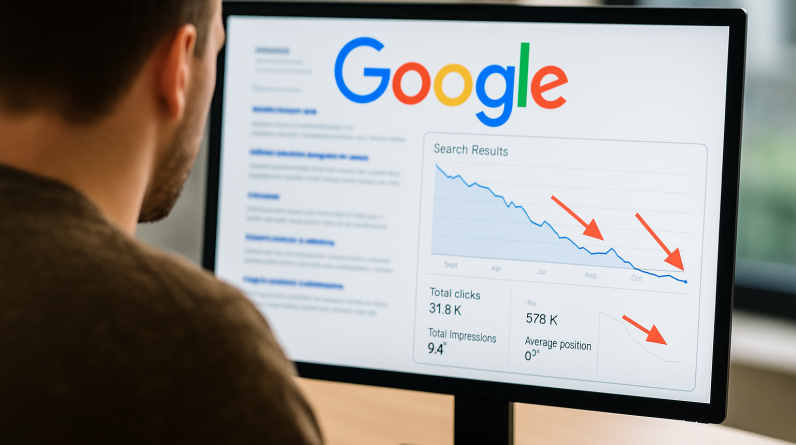



Annie Dubé has built a solid reputation on YouTube as someone who doesn’t sugarcoat what it takes to make money online. With over 130,000 subscribers at the time of this writing, her channel focuses on helping creators grow through honest strategies—especially around affiliate marketing and Amazon’s affiliate program. So when her Amazon links started disappearing from her video descriptions without warning, she knew it wasn’t just a fluke.
Turns out, it wasn’t just happening to her.
Creators across TikTok, Instagram, Pinterest, and beyond started seeing the same thing—affiliate links getting throttled, flagged, or flat-out removed. It wasn’t a glitch. It was the platforms tightening the reins.
If your social strategy relies on affiliate clicks to drive revenue, this shift could hit hard. But it’s not all doom and demonetization. With a few smart moves, you can still thrive—and maybe even come out ahead.
Why Platforms Are Turning the Screws on Affiliate Links
Yes, spammy link drops are part of it—but the real story’s deeper. This shift is about control and cash flow.
Here’s what’s really driving the crackdown:
- Money leakage: Raw affiliate links take users off the platform, cutting out their in-app ads and shop integrations.
- Bad vibes: Repetitive link spam and low-value promos tank the user experience.
- Ownership play: Platforms are building their own affiliate ecosystems (TikTok Shop, Instagram Shopping, YouTube tagging). They don’t want third parties taking the cut.
So what does this mean for creators? It means:
- Posts with affiliate links get less reach
- Repeat linking gets you flagged
- Accounts posting raw Amazon or cloaked links might face shadowbanning or worse
Take YouTubers like Kara & Nate—they ran into repeated link issues when using Amazon Associates. Instead of playing whack-a-mole with disappearing links, they started routing everything through a branded Lasso-powered landing page. One link, zero red flags.
What This Looks Like—Platform by Platform
Each platform has its quirks, but here’s the general landscape as of now:
TikTok
- Limits link-in-bio access unless you’re on a business account
- Penalizes videos with “link-first” content
- Prioritizes TikTok Shop over outside affiliate links
- Replaced swipe-up with Link Stickers (reach isn’t the same)
- Nudging creators toward in-app affiliate partnerships
- Auto-downgrades posts loaded with repeated Amazon short links
- Penalizes pins with direct affiliate links unless they add original content
- Pushing “Idea Pins” (which don’t allow links at all) to keep users on-site
YouTube
- Cracking down on cloaked or shortened links
- Encouraging in-app product tagging instead
- Mandating disclosures (but not everyone’s playing fair)
How Affiliates Are Dodging the Drama and Staying Profitable
You don’t need to quit social—you just need to outsmart the new rules. Here’s how the pros are adapting.
- Ditch the Raw Links—Use a Bridge Page
Sending followers to a clean landing page that holds all your affiliate links? That’s now best practice.
Use tools like Linktree, Beacons.ai, Lasso, or even a basic WordPress page to house your offers. It’s cleaner, safer, and gives you better tracking.
Brynne Conroy, author of The Feminist Financial Handbook, built a custom bridge page that holds all the links she shares in newsletters, interviews, and her Instagram bio. No sketchy redirects, no platform flags—just clean, trackable traffic.
- Lean Into Email—Still the Most Reliable Platform You Own
Social platforms can nerf your reach anytime. Your email list? That’s yours.
Use social to grow your list, then monetize through helpful, niche-focused sequences. You don’t need a 10-email funnel. You need to be useful—and consistent.
Pete McPherson (Do You Even Blog) is a master at this. His opt-ins are simple but relevant. His emails are honest, value-packed, and feature affiliate links that convert because they don’t feel like sales pitches.
- Build Content That Would Still Work Without a Link
The new rule of thumb? If your link disappeared tomorrow, would the content still be worth watching?
Tutorials, personal stories, deep dives—those are the assets that hold up. They’re algorithm-friendly and trust-building.
Michelle Schroeder-Gardner, of Making Sense of Cents, does this better than most. She shares real financial stories, not just product plugs. So even when platforms mess with link visibility, her content still gets clicks because people actually want to read it.
Tools & Tactics for Playing It Smart
You don’t need a full tech suite—but you do need to protect your flow. Here’s how:
- Use clear affiliate disclosures—don’t make platforms guess
- Avoid URL shorteners that trigger red flags (Bitly = risky)
- Keep your links clean and hosted somewhere you control
- Update older posts with new formats or bridge links
- Use first-party tools like Lasso or Pretty Links for tracking
If you’re testing TikTok Shop or Instagram Shopping, compare your metrics. Just because it’s native doesn’t mean it converts better.
Final Word: You Can’t Control the Algorithm—But You Can Control the Strategy
These platforms are changing the rules to protect their turf. That’s not new—and it won’t stop.
But if you focus on what you can own—your list, your content quality, your tracking setup—you’ll be in a much stronger spot when the next wave hits.
Don’t just survive the affiliate link crackdown. Use it as your cue to build something more sustainable.
FAQs
Is it illegal to use affiliate links on social?
Nope—but platforms have rules, and breaking them can kill your reach. Always check their latest policies.
Which platform is safest for affiliate traffic in 2025?
Email is still your safest bet. After that, YouTube and blogs offer more control than TikTok or Instagram.
Can I mix TikTok Shop and Amazon links?
Yes, but use them strategically. TikTok Shop is in-platform, while Amazon still needs outside traffic.
How do I know if my links are being throttled?
Sudden drops in views or clicks are a clue. Use tracking tools to compare platform performance.
Should I reach out for private affiliate deals if links get banned?
Absolutely. Many brands offer private partnerships that bypass public restrictions. Reach out and ask.