


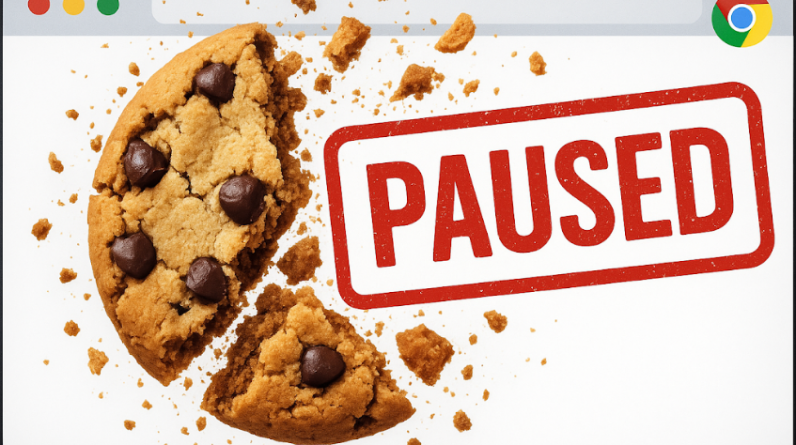
In 2020, Google dropped a bomb: they were killing off third-party cookies in Chrome. It was pitched as a privacy win—a new era of user-first tracking and cleaner data practices.
Fast forward to 2025? That plan just got torched.
As of April, Google has officially scrapped its cookie phase-out. Third-party cookies in Chrome are sticking around for the foreseeable future. If you’re in affiliate marketing, that’s not just news—it’s a full-on strategy pivot.
Let’s dig into what changed, why it matters, and how to make smart moves from here.
What Google Actually Said (And Why It Matters)
On April 22, 2025, Google confirmed it would no longer roll out a global third-party cookie ban. Outlets like Reuters and The Verge reported the shift, citing Google’s official Privacy Sandbox blog.
Instead of pushing a new system or forcing a universal prompt, Google’s statement boiled it down:
“We will not move forward with the standalone user prompt for third-party cookies… Transparency and control through existing settings is the better path.”
Translation? Cookies stay. Users manage them manually. Chrome doesn’t break everything overnight.
The Cookie Timeline: A Quick Recap
This one’s been years in the making:
- Jan 2020: Google announces third-party cookies will be gone by 2022.
- 2022–2023: Delays roll in—technical issues, industry pushback, more delays.
- Mid-2024: A plan emerges: new APIs, a consent prompt, cookieless alternatives.
- April 2025: It’s over. The prompt is canceled. Cookies stay live in Chrome.
The reversal wasn’t just about one issue. It was pressure from everywhere.
Why Google Reversed Course
Three big reasons drove the backpedal:
Industry pushback
Advertisers weren’t happy. Without cookies, core functions like ad targeting, conversion tracking, and personalization broke down. That wasn’t just bad for big brands—it was bad for small publishers and affiliates too.
Regulatory pressure
The UK’s Competition and Markets Authority had been circling the Privacy Sandbox for years. The concern? Google’s replacements would favor, well… Google. Scrapping the rollout helps the company sidestep even more scrutiny.
Technical flop
Alternatives like FLoC and Topics API were supposed to save the day. They didn’t. Developers hated them, users didn’t understand them, and the replacements just weren’t effective.
So Google went with the path of least resistance: status quo.
What This Means for Affiliate Marketers
No, the sky isn’t falling. But don’t get too comfortable, either.
Here’s what stays the same (for now):
- Third-party affiliate cookies still work
- Retargeting through Google and Meta is still functional
- Attribution models with 7–30 day windows are intact
But here’s what still matters:
- First-party data is still your safest long-term asset
- Affiliate platforms may still pivot—so watch their updates
- Platform-native tracking (like TikTok Shop or YouTube tagging) is growing fast
The game’s not over. The rules just didn’t change yet.
How Other Affiliates Are Reacting
Tim Soulo at Ahrefs has long warned against relying too heavily on ad pixels. His take? Build content. Build trust. Build relationships. That’s how you future-proof.
Meanwhile, teams at Convertica and other CRO-focused brands are helping affiliates squeeze more from every visit—no cookie tricks needed. Heatmaps, scroll tracking, and solid UX design now matter more than ever.
How to Future-Proof Your Setup Anyway
Just because cookies survived this round doesn’t mean you should sit back. Smart affiliates are still preparing for a future where tracking gets harder.
Here’s how to stay sharp:
Build your email list
Use lead magnets. Offer downloads. Create quizzes. Start collecting emails and build your own audience—no middlemen.
Upgrade your tracking tools
Use tools like Lasso, Pretty Links, or ThirstyAffiliates to monitor clicks and performance. If cookies ever go down, you’ve still got data on your side.
Diversify your traffic
Don’t bank on one source. Invest in SEO, Pinterest, YouTube, and newsletters. If one channel stumbles, another keeps you afloat.
Keep an eye on the landscape
Bookmark sites like PrivacySandbox.com, Search Engine Journal, and Reuters Tech. Skimming headlines once a week is enough to keep you from falling behind.
FAQs
Are third-party cookies gone in Chrome?
Nope. As of April 2025, Google has officially kept them in play with no clear timeline for removal.
Why did Google drop the plan?
Industry pressure, regulatory scrutiny, and weak replacement tech all played a role. It just wasn’t worth the fallout.
Will my affiliate tracking still work?
Yes. If your program uses third-party cookies, they’re still functioning in Chrome—just like before.
Should I still collect first-party data?
Absolutely. It’s one of the smartest, most future-proof moves you can make in any kind of digital business.
Where should I track updates?
Stick with trusted sources: Google’s Privacy Sandbox blog, The Verge, Reuters, Ahrefs, and Search Engine Journal.