



So here’s the scenario. You put in the work. You write the blog, optimize for SEO, someone finally lands on your affiliate post… and then bounces.
You did everything right. Got them to your site. Got them to the right product. Maybe they even clicked your link. But now they’re gone, off in the abyss of a hundred open tabs, probably getting distracted by cat videos or their email inbox.
Here’s the good news: just because someone didn’t buy the first time doesn’t mean they won’t. You just need a second shot—and that’s where retargeting comes in.
If you’ve ever seen an ad for a product you were just Googling, congrats—you’ve been retargeted. But here’s the twist: when you do it right as an affiliate, retargeting doesn’t feel creepy or annoying. It feels like a well-timed reminder that says, “Hey, still thinking about this? Here’s why it’s worth your attention.”
Let’s break down how to actually use retargeting to get more affiliate sales without setting your budget on fire.
First: What Retargeting Actually Is (And Why It Works)
Retargeting is simply showing ads to people who’ve already interacted with your content—visited your blog, watched your video, clicked a link. These are warm leads. They already know you. You’re not starting from zero.
And because you’re not trying to convince a total stranger, the odds of conversion? Way better.
You’ll get:
- Lower cost-per-click
- Higher click-through rates
- More commissions without more traffic
In short: retargeting helps you make the most of the eyeballs you’ve already paid for (or earned organically).
But 2024 Retargeting Isn’t What It Used to Be
Back in the day, it was easy. Drop a Facebook Pixel, set up an audience, and run ads to your site visitors. Boom—done.
Now? Not so much.
Thanks to privacy updates (looking at you, Apple) and Chrome phasing out third-party cookies, the old model’s pretty much toast. Pixels don’t work like they used to, and your ads can’t track users across the web the same way.
But that doesn’t mean retargeting is dead. It just means you need to switch gears.
Here’s how to make it work in 2024.
-
Build Your Own Audience with First-Party Data
Forget renting data. It’s time to own it.
First-party data is info you collect yourself—like site visits, email signups, or link clicks. This is the stuff ad platforms still let you use. So, if you’re not already using Google Analytics 4 (or a similar setup), now’s the time.
Start by tracking behavior on your blog:
- Who visits specific affiliate pages?
- Who clicks but doesn’t convert?
- Who scrolls deep or spends serious time on the page?
Use that intel to create warm audiences in Meta Ads Manager or Google Ads. The key? Set up custom events or server-side tracking (like Meta’s Conversion API) so you’re not relying on flaky browser cookies.
-
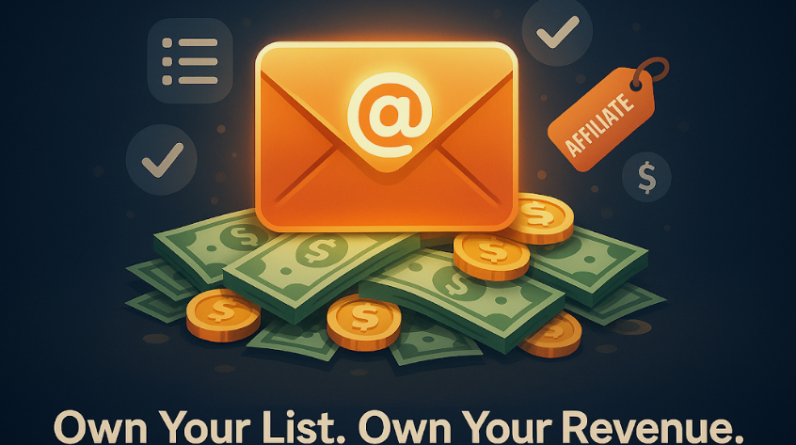
Retarget Through Email (Your Secret Weapon)
Your email list is the most underrated retargeting machine you’ve got. No cookies. No platform shifts. Just people who already said, “Yep, I want to hear from you.”
Want to retarget smarter?
Segment folks who clicked your affiliate links but didn’t buy. Then follow up. You’re not blasting the same pitch over and over—you’re giving them a reason to care again.
You can send:
- Testimonials or case studies that make the product real
- Objection busters (“What if it doesn’t work for me?”)
- Bonus incentives or limited-time add-ons
And platforms like ConvertKit, MailerLite, or GetResponse make automating all this pretty painless.
-
Meta Ads Still Work—Just Set Them Up Right
Yes, Facebook retargeting still has a pulse. But you can’t just drop a pixel and expect magic. You need to go deeper.
Here’s how:
- Use server-side tracking (Conversion API or a plugin like PixelYourSite)
- Build audiences based on actions, not just page visits—like button clicks or time on page
- Exclude buyers or email subscribers so you’re not paying to pitch the same people twice
Then, focus your ad creative on value—personal stories, useful content, real reasons why you love the product. Think “This tool helped me do X” instead of “Buy this now.”
-
YouTube Retargeting: The Underdog You’re Probably Ignoring
If you’re doing video (and you should be), YouTube is your best-kept retargeting ally.
Here’s the move:
- Create audiences of people who watched specific product reviews
- Follow up with short ads that update the story—“Here’s how it’s holding up after 6 months,” or “Here’s what I wish I knew before buying”
YouTube ads are cheap, especially if you’re targeting warm leads. And video builds trust in a way a banner ad never will.
-
Make Your Blog a Retargeting Machine (Even Without Ads)
Don’t want to spend money on ads yet? No problem. You can still guide people back with smart on-site tactics.
Try this:
- Use exit popups offering related product bonuses
- Show dynamic CTAs based on the content they’re reading
- Segment visitors with tools like OptinMonster or RightMessage and show more relevant offers
Basically, treat every reader like they’re halfway to buying—because they might be.
How to Keep It Lean and Still Get Results
Retargeting doesn’t need to be expensive. But it does need to be strategic.
Here’s how to keep costs down:
- Cap your ad frequency (no one wants to see your face 20 times a day)
- Exclude anyone who’s already bought or opted in
- Rotate creatives every couple of weeks to keep things fresh
- Start with $5–$10 a day and scale what works
- Always be testing—headlines, offers, visuals
Remember, this is a long game. Some folks need a few reminders before they buy. Retargeting gives you that runway.
What to Avoid (So You Don’t Light Your Budget on Fire)
A few quick “don’ts” to keep you out of trouble:
- Don’t rely on old-school pixel tracking alone
- Don’t retarget to affiliate checkout pages you don’t control
- Don’t use bait-and-switch copy—be honest and helpful
- Don’t overdo it. If someone’s seen your ad 17 times and hasn’t clicked, take the hint
Wrap-Up: Retargeting Isn’t Dead—Just Smarter
The truth is, retargeting isn’t about stalking. It’s about showing up again at the right time, with the right message, to the right people.
Control your data. Tell a better story. Follow up with value. That’s how you turn window shoppers into buyers—and your old traffic into new commissions.
Cookies might be crumbling, but for affiliates who adapt? Retargeting is still one of the best ROI moves you’ve got.
FAQs
Can affiliates still use retargeting ads?
Yes—but you need to focus on first-party data, platform audiences (like Meta or YouTube), and not rely on third-party cookies.
What’s the cheapest way to retarget?
Email retargeting. Once someone’s on your list, follow-ups are basically free.
Can I retarget affiliate link traffic?
Only if you control the landing page or use a bridge page. Most affiliate checkout pages won’t let you place pixels.
What should my retargeting budget be?
Start with $5–10/day. Test your audiences and creative, then scale what works.
Is retargeting worth it with smaller traffic?
Yes. Even 100–200 visitors/month can be retargeted effectively if your funnel is solid.