


What the Heck Is an Affiliate Program?
Alright, before we dive into what makes an affiliate program worth your time, let’s break it down. At its core, it’s a handshake deal between a business and someone willing to spread the word—think content creators, bloggers, or your mate who won’t shut up about protein powder.
Your job? Send people their way. If someone buys through your link, you pocket a bit of the pie. Sounds easy, right? But like anything online, the devil’s in the details.
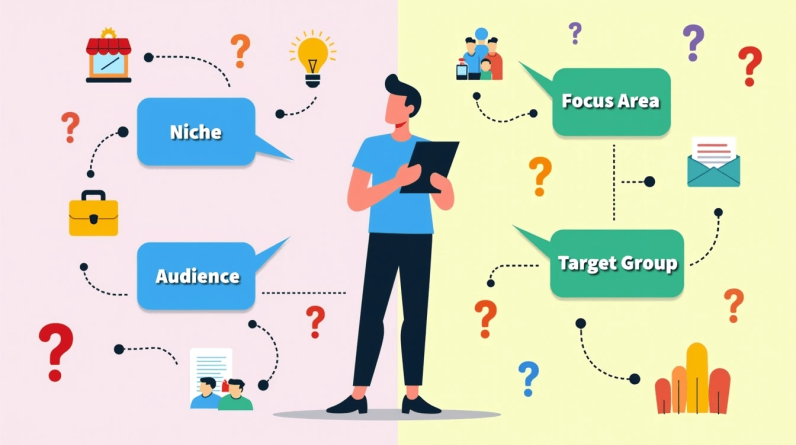
Not all affiliate programs are built the same. Some are gold mines, others are duds wrapped in shiny promises. Payouts, rules, products—they all vary. So choosing the right one isn’t just about slapping a link on your site. It’s about finding a program that fits—your niche, your audience, your goals.
Know Who You’re Talking To
Don’t get blinded by a fat commission. It’s like trying to sell surfboards in the desert—wrong crowd, mate. Start with your audience. Who are they? What are they struggling with? And why do they listen to you in the first place?
If you run a blog about living simply and cutting clutter, pushing Rolex watches probably isn’t the move. But a slick, budget-friendly planner or a sustainable soap brand? Now we’re talkin’.
When your recommendations line up with what your readers actually want, magic happens. Trust goes up. Clicks go up. Commissions go up. Everyone wins.
Commission Structures: More Than Just Big Numbers
Yeah, a 50% cut sounds nice—until you realize it’s 50% of a $10 widget. That’s five bucks, mate. Meanwhile, 10% of a $500 course nets you fifty. See the difference?
You’ve got one-time commissions, recurring ones, fixed rates—it’s a whole buffet. Subscription services are a beauty because you can keep getting paid month after month while you’re off at the beach or scrolling memes in bed.
Oh—and don’t forget cookie duration. That’s how long your referral sticks after someone clicks. A 90-day cookie beats a 24-hour one any day. Give your link time to do its thing.
Don’t Back Garbage
If you’re flogging junk just to make a quick buck, your audience will catch on—fast. And when they do, they won’t trust you again. So test the product. Read reviews. Hell, buy it yourself if you have to.
Ask yourself this: would you recommend it to your mum? If not, don’t slap your name on it.
Good products mean fewer refunds, happier customers, and a rep that lasts. Plus, they actually sell, which helps your bottom line.
Check Who’s Behind the Curtain
The product might be ace, but if the company behind it treats customers like dirt, steer clear. Crappy support, bad reviews, or silence when things go wrong? Red flags.
When someone clicks your link, they’re trusting you. If they get burned, your name’s on the line. Stick to companies with a solid reputation—it makes your job easier and your results better.
Payment Terms (aka When Do You Get Paid?)
You’d be shocked how many people skip this bit and end up waiting months for a payout. Some programs pay monthly, others quarterly. Some make you hit $100 before you see a cent.
Check the method too—bank transfer, PayPal, crypto pigeon? Make sure it works for you. And ask yourself: how long do they take to cough up the cash once you’ve earned it?
If you’re relying on affiliate income, these details matter more than you think.
Do They Help You Market or Just Hand You a Link?
A great affiliate program won’t leave you stranded. They’ll give you banners, email templates, images—maybe even video content to plug in wherever you need.
Some go above and beyond with personal support, regular updates, and exclusive deals. These bonuses can seriously boost your game, especially if you’re juggling multiple campaigns.
Conversion Rates and EPC: Where the Money Actually Is
Clicks don’t pay the bills. Conversions do. If no one’s buying after clicking your link, you’ve got a problem.
That’s why you’ve gotta look at conversion rates. They tell you how well a product actually sells. You can have the juiciest commission offer out there, but if no one pulls out their wallet, it’s all just numbers on a screen.
Then there’s EPC—earnings per click. This stat shows how much affiliates are making per visitor they send. One program might show $1 EPC while another’s stuck at ten cents. Guess which one deserves your effort?
Decent affiliate networks like ShareASale or CJ Affiliate usually share these stats upfront. Use that data. It’ll save you hours of guesswork and a few gray hairs.
Tracking Tools: Because Flying Blind Sucks
If you can’t track it, you can’t fix it. And if you can’t fix it, you’re leaving money on the table.
Good affiliate programs give you dashboards that break it all down—clicks, sales, commissions, maybe even which device your buyer used.
Some tools go deep, slicing up your stats by time, region, or even what landing page did the trick. Others? Not so much. If all you get is “You made a sale,” you’re flying blind.
If you’re juggling more than one program, tools like Pretty Links or ThirstyAffiliates help keep things clean and organized. Trust me, your future self will thank you.
Quick Hits vs. Long-Term Plays
One-time wins are great. Everyone loves waking up to a surprise $100 sale. But if you want real income, look for recurring commissions.
Things like software, memberships, and online tools pay over and over, long after the click. Do the work once, collect for months.
Yeah, $20 a month might sound small. But over a year, it beats that “big” $100 one-time sale. Think long-term, not just next Friday.
Don’t Skip the Fine Print
Terms and conditions aren’t fun. But ignore them and you could get burned.
Some programs ban PPC ads. Others ban email. Some can change your rate overnight without telling you.
Take a few minutes. Look for restrictions, limits, or sneaky clauses about commissions. Know the rules before you invest time and effort.
Final Word: Think Beyond the Quick Buck
Picking an affiliate program isn’t just about chasing high payouts. It’s about trust, fit, and strategy.
When you promote stuff you believe in, your audience feels it. That’s where the real money is.
So take your time. Do the homework. Build a portfolio that pays you for years—not just this week.
FAQs
- What’s the best way to find affiliate programs that match my niche?
Start with what you already use and love. Tools, apps, gear—check if they’ve got affiliate programs. Also check networks like Impact, ShareASale, and CJ Affiliate.
- How many affiliate programs should I join at once?
Start with two or three solid ones. Get some content going. Once you’ve got traffic, you can add more.
- Are recurring commissions always better than one-time payouts?
Not always. One-off sales can be big. Recurring can build over time. Best strategy? Use both.
- Do I need a website to be successful in affiliate marketing?
No, but it helps. Social media and YouTube can work, but a site gives you control and long-term traffic.
- What should I do if an affiliate program cuts commissions or changes terms?
Watch your emails for updates. If the deal changes and it’s not in your favor, switch. Always have a backup ready.