


What the Heck Is a Presell Page (And Why You Probably Need One)?
Alright, picture this.
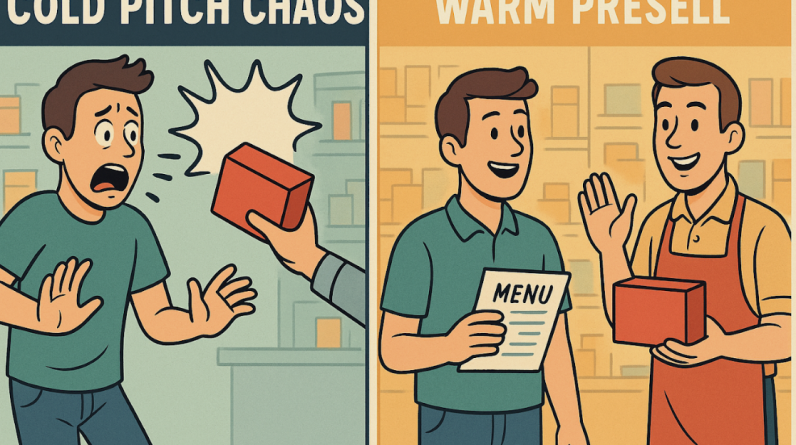
You walk into a store and before you even get your bearings, someone pops up out of nowhere and goes, “Buy this!” No hello, no context, no reason why. Just bam—straight to the pitch.
What’s your next move? You walk, obviously. Maybe backwards.
That’s exactly what happens online when affiliates skip the presell page. You’re sending people straight to the sales page with no warm-up. And in most cases? They’re bouncing before you even know they were there.
If you want to actually convert traffic instead of just watching it swirl down the drain, you need a presell page. Think of it as the friendly intro before the pitch—the part where you say, “Hey, here’s why this might be worth your time.”
Let’s break it down.
So What Is a Presell Page?
A presell page (some folks call it a bridge page) is the middleman between your content and the actual affiliate product. It’s not about selling hard—it’s about setting the scene.
You’re warming people up, giving them a reason to care, and easing them into the idea of clicking through. Kind of like a bartender handing you a menu before the special—smooth, helpful, no pressure.
A good presell page does three things really well:
- It warms up the reader before they hit the sales page.
- It frames the offer in a way that actually matters to them.
- It tackles objections before they even pop into the reader’s head.
This isn’t about being slick. It’s about being useful. And if you do it right, conversions go up, trust goes up—and those random clicks start turning into actual commissions.
Why Presell Pages Work So Well
Let’s be real. Most affiliate sales flop because people aren’t ready. You drop a link in a blog post, someone clicks out of curiosity, lands on a product page, and boom—they’re hit with a pitch they weren’t expecting.
What happens next? They bounce. Or worse, they click around, get confused, and end up buying without your affiliate tag.
But with a presell page? You get a shot to:
- Build trust before the pitch.
- Frame the offer through your voice, not just the brand’s.
- Nudge conversions higher by answering “Is this for me?” before they ask.
You’re not just passing traffic along. You’re warming it up like leftovers in a microwave—fast, simple, and ready to serve.
Let’s Look at a Real Example
Say you wrote a blog called “Best Podcast Mics for Beginners.”
If someone clicks your link and goes straight to Amazon? You’re basically saying, “Figure it out.”
But if they hit a presell page first—something like, “Why I Picked the Samson Q2U Over the Blue Yeti (And Why It Might Be Right for You)”—they get a little backstory, a little context, maybe even a bonus. Then they click through.
Guess which version makes you more money?
Yeah.
What to Put on a Presell Page (So It Actually Works)
Now, don’t overthink it. You don’t need 2,000 words and a documentary. But you do need to hit the right beats:
- A Hook That Actually Hooks
Start with a headline that hits a problem or sparks curiosity. Stuff like:
- “The Tool That Grew My List 3x in a Month”
- “Why I Switched From [Popular Tool]—And Didn’t Look Back”
- A Quick, Relatable Setup
This isn’t your life story. Just enough to say, “Hey, I get what you’re dealing with.”
Example: “I tried five CRMs and hated every one—until I found this.” - The Good Stuff (a.k.a. Why You Love It)
Bullet points work fine here. Focus on the benefits, not just features.
Why it made your life easier. What it helped you do faster. How it beat the other options. - Your Take (a Mini Review)
Tell them what worked. What didn’t. Who it’s great for. Real talk wins. - Objection Busters
Think about what’s holding them back. Cost? Complexity? Sketchy reviews? Knock those down before they click. - A Button That Doesn’t Suck
Skip the “Click Here.” Use something like:
- “Try [Tool] Today”
- “See Why I Recommend It”
- “Start Your Free Trial + Bonus”
When Should You Use a Presell Page?
Not every product needs a full warm-up. But here’s when it really helps:
- For higher-ticket stuff or recurring tools (think SaaS)
- If you’re running paid traffic (Facebook especially hates direct affiliate links)
- If you’re offering a bonus
- If the product page is kinda meh and you need to spice it up
And if you’re linking from places like YouTube or Instagram where space is tight? A presell page gives you a place to say more without relying on the vendor’s site.
SEO Pro Tip: Link to Your Presell Page from Other Blog Posts
Let’s say you’ve got five blog posts in the same niche. Link them all to your presell page. That gives you:
- Better internal linking structure
- More authority to the presell page
- A consistent funnel that keeps warming folks up
It’s like building a trail of breadcrumbs that all lead to one laser-focused pitch. Clean, clear, and conversion-friendly.
Wrap-Up: Presell Pages Are the MVP You’ve Been Ignoring
Here’s the deal. Presell pages aren’t just “nice to have.” If you’re in affiliate marketing and actually want to make money—not just toss up links and hope—they’re essential.
You don’t need to be fancy. You just need to be useful.
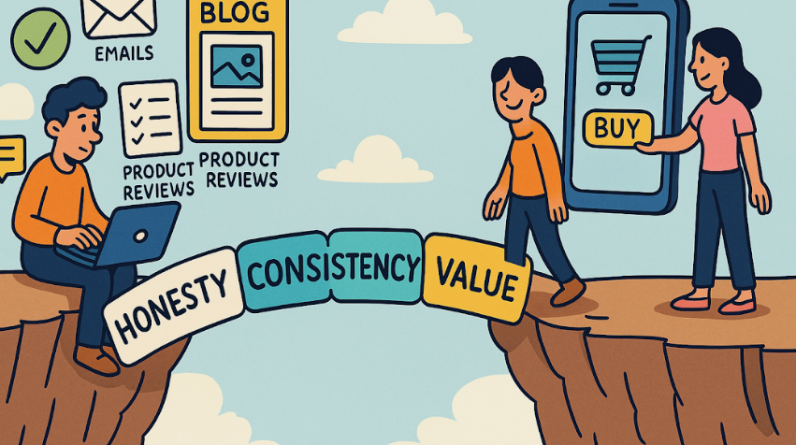
Think of your presell page as the handshake before the sale. The intro that makes the pitch feel like a conversation, not a cold call.
So stop throwing traffic into the void. Warm it up. Guide it. And give it a reason to click that affiliate link with confidence.
FAQs
Do I need a presell page for everything?
Nah. But for tools, SaaS, or anything over $50? You’re better off with one.
Is this the same as a landing page?
Not really. A landing page can be anything. A presell page specifically warms people up before they see an offer.
Can I use these with ads?
You should. Ads that go direct to affiliate links are risky. A presell page keeps you compliant and converts better anyway.
What tools should I use to build one?
Systeme.io, WordPress + Elementor, or Carrd are all solid. Keep it simple.
Should I include a bonus?
If your affiliate program allows it, 100% yes. Bonuses make people click. Period.