


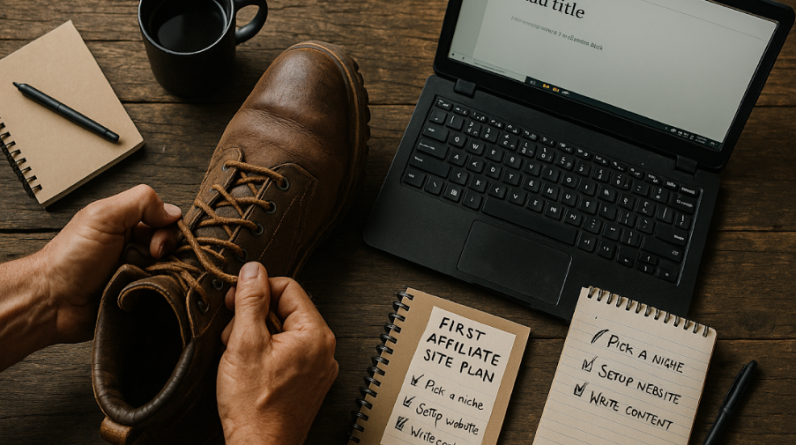
So you want to get into affiliate marketing, but your budget looks more like a couple of crumpled bills and a free coffee punch card? No worries. You don’t need to throw thousands at fancy courses, paid ads, or overpriced tools to start making money.
You just need a little grit, a clear plan, and the discipline to skip the shiny stuff that doesn’t actually move the needle. This isn’t a magic bullet or some “four-hour workweek” fairy tale—it’s a lean, doable roadmap that works even if your bank account’s looking a little light.
Let’s dive in.
Starting Cheap Doesn’t Mean Starting Crappy
Let’s kill this myth upfront: starting with minimal costs does not mean building a junky business. Some of the best affiliate sites on the web? Built with free tools and a bit of hustle in coffee shops with spotty Wi-Fi.
Starting lean forces you to focus on what matters:
- Creating content people actually want
- Learning by doing, not by hoarding PDFs you’ll never read
- Building something sustainable without going broke in the process
And here’s the kicker: Google doesn’t care how much you spent on your setup. If your content’s solid and solves problems, it’ll rank. People will click. And yes—commissions will start rolling in.
Step 1: Pick a Niche That Pays (But Isn’t a Shark Tank)
Don’t stress about finding the perfect niche. You just want something with:
- Affiliate programs that actually pay
- People searching for answers (i.e., they’ve got problems, and you’ve got solutions)
- Low to medium SEO competition so you don’t get bulldozed out of the gate
Use free tools like Google autocomplete, Ubersuggest, or AnswerThePublic to snoop out what folks are asking. Reddit and Quora are also goldmines for seeing what real people are struggling with.
Hot tip: Skip ultra-competitive monsters like general finance or fitness. Go for the little corners—stuff like “affordable home gym setups” or “freelancer-friendly remote work gear.”
Step 2: Get Online for Under a Hundred Bucks
You don’t need a designer or a developer. Just roll up your sleeves and do this:
- Domain: Grab one for around $10/year from Namecheap or GoDaddy
- Hosting: Go with Bluehost or Hostinger—cheap, reliable, and under $4/month
- CMS: WordPress, hands down
- Theme: Astra or GeneratePress (free, clean, fast)
Want to get fancy? Install the free version of Elementor and mess with layouts later.
Step 3: Join Free Affiliate Programs
No need to pay to play. Plenty of top-tier affiliate programs are free to join:
- Amazon Associates
- ClickBank
- Impact
- ShareASale
- PartnerStack (great for SaaS tools)
Look for programs that offer at least 20% commission on digital products or 4–8% for physical stuff. Keep it tight. Start with one or two programs so you’re not promoting 50 random things nobody asked for.
Step 4: Write Content That Hits the Right Nerve
This is where you earn your keep. Write posts that answer real questions—especially the long, specific ones.
Examples:
- “Best laptops under $500 for students”
- “Is [Tool] worth it after 3 months of use?”
- “How to use [Product] to solve [Annoying Problem]”
Use free tools like Google Search Console and Ubersuggest to find what’s working and double down. And don’t aim for perfect—aim for helpful. Imagine you’re explaining it to a friend who doesn’t know jack.
Step 5: Get Traffic Without Buying It
Forget paid ads for now. You’ve got plenty of free ways to pull in real people:
- SEO: Covered that above—keep creating optimized content
- YouTube: Reviews or how-tos with affiliate links in the description
- Pinterest: Simple graphics that link back to blog posts (great for lifestyle or DIY niches)
- Quora & Reddit: Answer questions where it makes sense—don’t be spammy
- Facebook Groups: Share your content, not your links. Build credibility first
You don’t need to go viral. You need consistent, targeted traffic from folks who are already curious.
Step 6: Build a List Without Blowing Your Budget
You’ve heard it before—the money’s in the list. And it’s still true.
Here’s how to start building yours without spending a cent:
- Create a lead magnet (cheat sheet, checklist, quick-start guide)
- Use free tools like MailerLite or ConvertKit (they’ve got decent free tiers)
- Add a form to your site with something like WPForms or Elementor
Your email sequence doesn’t need to win any awards. Just introduce yourself, drop some tips, and casually mention your affiliate links. Keep it real and useful.
Step 7: Don’t Spend Your First $50 on Tacos
Once you start earning, even a little, reinvest like a grown-up:
- Upgrade your hosting for faster speed
- Try premium tools like Surfer SEO or Ahrefs when you can afford them
- Hire a writer or editor to help you scale
Affiliate marketing compounds over time. A post you publish today could still be making you money in two years—if you keep showing up and dialing things in.
Wrap It Up: Start Small, Stay Consistent, Cash In Later
You don’t need to remortgage your house to start making money online. You just need a solid niche, a clean setup, and content that helps people. If you can stick to the plan, ignore the shiny objects, and keep hitting publish—you’ll build something that pays.
And the best part? Every helpful article, every email, every review you write is a little digital asset working for you around the clock. Even when you’re asleep, or watching Netflix, or arguing with your router again.
FAQs
Do I need to buy a course to get started?
Nope. There’s more free info online than you’ll ever need. Pick one strategy and run with it.
How long until I make my first sale?
If you’re consistent, 3 to 6 months is realistic. Sooner if you hit a good niche and hustle.
What’s the first tool I should invest in?
Good hosting. Everything else can wait—but your site has to be live and fast.
Can I use AI tools to help write content?
Yep, but edit it. Add your voice. Don’t just copy-paste and hit publish.
Is affiliate marketing still worth it?
Definitely. If you focus on quality content, solving real problems, and building trust, it’s one of the best ways to make real, sustainable online income.