


We all get why high-ticket affiliate offers are so appealing. One sale can drop a $100 bill (or three) into your lap—sometimes even more. You don’t need a hundred sales to hit your goal, just a handful of the right ones.
But here’s the rub: most of the folks making serious money from these offers? They’ve got deep pockets for ads or they’ve been building their list since the Clinton administration.
So what about the rest of us? The scrappy builders. The bootstrappers. The folks who really don’t want to light $500 on fire testing a Facebook campaign?
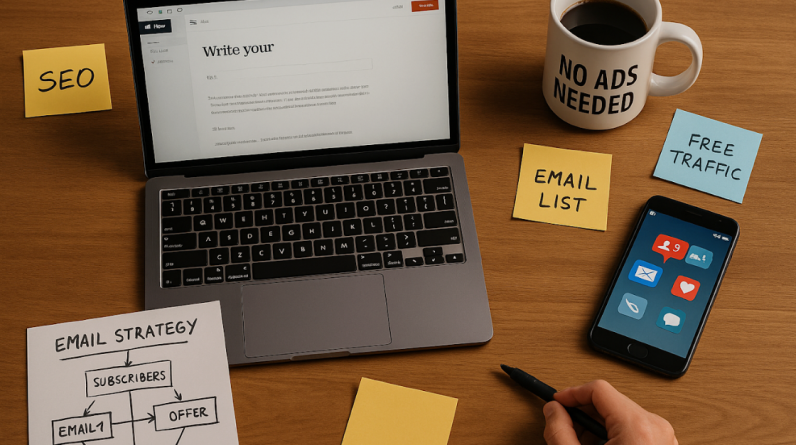
Good news: you don’t need a big budget. You need a sharp strategy and a bit of hustle. That’s it. Let’s walk through how to sell high-payout affiliate offers—without spending a cent on ads.
First: The Upside (and Downside) of High-Ticket Offers
Yes, high-ticket is sexy. But it’s also a tougher sell. Here’s why:
- People don’t impulse-buy a $997 course on a whim.
- It usually takes more nurturing—emails, webinars, demos, the whole dance.
- The competition? Brutal. Everyone and their dog is gunning for these commissions.
But the flip side? If you get this right with organic traffic, you’ll blow right past the affiliates who are just throwing ads at cold leads. Why? Because your audience actually trusts you.
Step 1: Pick the Right High-Ticket Offer (Don’t Just Chase the Payout)
Not every high-payout offer is made for content-driven affiliates. You want something that actually makes sense to recommend—and converts without needing you to beg for a sale.
Look for:
- Offers with solid sales material (free trials, webinars, email sequences)
- Brands with a good rep (check Reddit, Trustpilot, etc.)
- Affiliate support—like swipe files, funnels, or real help
Places to find these:
- Impact.com for SaaS and services
- PartnerStack for recurring payouts
- ClickBank for info products and evergreen courses
- ShareASale or CJ for niche-specific goods
Before you start promoting, use the thing (or at least research it like your name’s on the line—because it kinda is).
Step 2: Build Content That Pulls Its Weight
Forget fluff. You need content that sells without sounding like it’s selling.
Focus on content that warms people up and answers real questions:
- Comparison posts: “Tool A vs. Tool B—Which One’s Worth It?”
- Reviews: “I Used This for 30 Days—Here’s What Happened”
- Tutorials: “How I Use [Product] to [Get Specific Result]”
- Case studies: “How [Someone Like Your Reader] Made $5K Using This”
- Presell pages: Bridge content that preps people for the offer
Bonus tip: Go after long-tail, high-intent keywords like:
- “Is [Course Name] worth it?”
- “Best webinar tool for solo coaches”
- “[Tool] vs. [Tool] honest review”
This is where Ubersuggest, LowFruits, or even good ol’ AnswerThePublic shine.
Step 3: Don’t Just Collect Emails—Nurture Them
You don’t need 10,000 people on your list. You need 500 who actually give a rip.
Start with a freebie that matches the offer:
- A checklist
- A mini-course
- A cheatsheet or template
Then set up a simple 3–5 email sequence that goes something like:
- Deliver the freebie + one quick win
- Share your story with the product
- Tackle the “Yeah, but is it for me?” questions
- Drop some proof—testimonials, results, screenshots
- Deliver the pitch with a clear call-to-action
Use tools like ConvertKit, MailerLite, or Systeme.io. They’re cheap (or free) and get the job done.
Step 4: Drive Traffic for Free—Here’s Where to Look
No ad budget? No worries. Here’s where to plant your flag:
YouTube:
Still the best bang-for-buck platform for reviews and tutorials. People go there to learn and buy. Film a video, link to your presell page. Done.
Pinterest:
Yeah, it still works—especially if your niche is visual or lifestyle-heavy. Great for driving traffic to blogs and lead magnets.
Reddit:
Use subs like r/juststart or niche-specific threads. Drop real insights, not spam. Then link to your content if it actually helps.
Quora:
Find questions your offer solves. Answer them thoughtfully. Link back to your review or tutorial.
Facebook & LinkedIn Groups:
Post about what you’re learning. Share a win, a tip, or a behind-the-scenes look. Drop your blog link in the comments if it fits.
You don’t need all five. Pick one or two. Go deep. Show up consistently.
Step 5: Sweeten the Deal With a Bonus
Want to stand out? Stack a bonus on top of your affiliate offer. Doesn’t need to be fancy.
You can offer:
- A walkthrough video
- A checklist or spreadsheet
- A private template
- A 15-minute support call
The goal is to add value, not complexity. And don’t forget: not all affiliate programs allow bonuses, so check the rules first.
Step 6: Track What Works, Ditch What Doesn’t
Use:
- Pretty Links or ThirstyAffiliates to track link clicks
- Google Analytics to see which content is pulling traffic
- Your affiliate dashboard to check conversions
Double down on the content and channels that are working. Cut the rest loose. And always be testing—different headlines, content formats, even your bonus angle.
Wrap-Up: Yes, You Can Do High-Ticket Without Ads
Here’s the deal. You don’t need to run Facebook ads, hire a funnel guru, or burn through your savings to promote high-payout offers.
You just need:
- A solid offer that fits your audience
- Helpful content that builds trust
- An email list that actually opens your stuff
- A bonus that makes you stand out
- Patience (yep, this takes time)
High-ticket without ads is a slower burn—but it’s a smarter one. You’re building assets, not chasing clicks. And every sale you land is pure profit.
That’s how you win the long game.
FAQs
What’s considered “high-payout”?
Anything $100+ per sale, or recurring commissions that stack fast.
Can SEO really work for this?
Absolutely. Especially if you’re targeting people who are already searching for reviews, comparisons, or alternatives.
Do I need a YouTube channel?
Nope—but it helps. Blog + email can get you there. Add YouTube later if you want to speed things up.
What kind of bonus should I offer?
Start small—a checklist, a template, a video. As long as it adds value and fits the product, you’re good.
When will I see results?
Give it 30–90 days for traffic. 3–6 months for consistent conversions. Stick with it, and the compounding kicks in.